Source Electric Cattle Feed Pusher for Dairy Farms
Compare 20 electric cattle feed pusher models from verified Chinese manufacturers. Buyers can evaluate battery capacity, working time, and hydraulic transmission options to find the right equipment for dairy operations; compare the available evidence and request quotations based on your requirements.
Key considerations
Products List



Comprehensive Sourcing Guide
Electric Cattle Feed Pusher Sourcing Guide
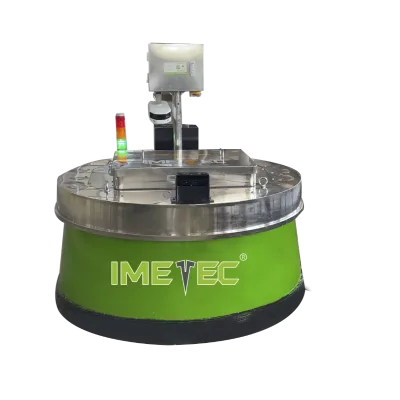
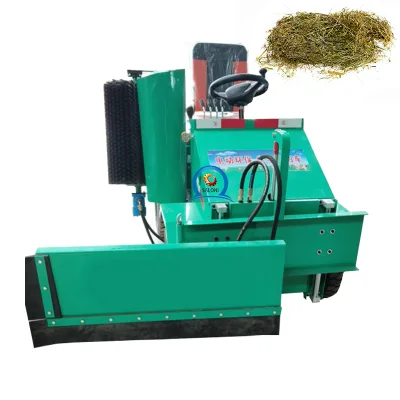
Sourcing an electric cattle feed pusher requires a careful balance of mechanical reliability, electrical safety, and operational efficiency. These machines are designed to automate the daily task of pushing feed closer to livestock, which reduces waste and encourages consistent consumption. Buyers must evaluate the specific power requirements, battery capacity, and structural durability to ensure the equipment matches their farm’s scale and layout. The transition from manual labor to automated pushing systems offers significant long-term labor savings, but only if the selected unit is robust enough for continuous daily use in harsh barn environments.
The procurement process involves verifying technical specifications against the unique constraints of the feeding alley. Key considerations include the machine’s turning radius, brush configuration, and battery charging infrastructure. Since these units operate in confined spaces, maneuverability is just as critical as raw pushing power. Buyers should also consider the customization options available, such as adjustable blade heights or specialized brush types, to ensure the machine effectively clears feed without damaging the floor or disturbing the animals. Understanding these operational nuances helps in selecting a model that integrates seamlessly into existing farm workflows.
Product Scope and Observed Listing Signals
The current market for electric cattle feed pushers presents a diverse range of models with varying technical configurations. Observed listings indicate a price range from approximately $1,000 to $14,776.57, reflecting differences in battery capacity, motor power, and build quality. Most suppliers offer a minimum order quantity of one unit, allowing farms to purchase single machines for pilot testing or small-scale operations. This flexibility is beneficial for buyers who need to replace individual units or expand their fleet gradually without committing to large bulk orders.
Listing signals reveal a strong emphasis on electric power sources, with many models featuring 48V, 60V, or 72V battery systems. These systems typically use multiple 12V batteries connected in series to provide sufficient voltage for the traveling and brush motors. The observed data highlights a focus on maintenance-free batteries, which reduces the downtime associated with regular water top-ups or cell balancing. Buyers should pay close attention to the stated working time, which generally ranges from 5 to 10 hours on a single charge, ensuring the machine can complete a full day’s work without mid-shift recharging interruptions.
Technical Specifications to Verify
When evaluating technical specifications, the power source and transmission mode are primary indicators of performance. Many units utilize a hydraulic transmission system for the whole machine, providing smooth and powerful movement across uneven feed bunk surfaces. The traveling motor power is often specified around 800W, enabling speeds between 0 and 25 km/h, which allows for efficient coverage of long feeding alleys. Buyers must verify that the battery brand and capacity, such as 100Ah maintenance-free units, align with the expected daily runtime and charging availability on-site.
The brush and blade configuration is critical for effective feed management. Specifications often include brush rotary motor models like the Bm1-50, which drive the sweeping action. Blade types vary between straight and curved teeth, with some models featuring tungsten carbide-coated knives for enhanced durability against abrasive feed materials. The inner design may incorporate chain and scrapper mechanisms to ensure thorough cleaning. Buyers should confirm the number of cylinders and the flipping device customization options to ensure the machine can handle different feed consistencies and bunk geometries without clogging or leaving residual waste.
Compliance and Safety Documentation
Compliance with international standards is essential for ensuring the safety and reliability of electric agricultural machinery. Many suppliers provide certifications such as CE, ISO9001, GMP, and QS, which indicate adherence to quality management and safety protocols. Buyers should request copies of these certificates to verify that the manufacturing process meets recognized industry benchmarks. The presence of ISO9001 certification, in particular, suggests a systematic approach to quality control, which is crucial for equipment that operates continuously in demanding environments.
Safety documentation should also cover electrical safety and operational guidelines. Since these machines are computerized and electrically powered, proper insulation and grounding are vital to prevent shocks or short circuits in damp barn conditions. Buyers must ensure that the supplier provides comprehensive user manuals that detail charging procedures, emergency stop functions, and routine maintenance schedules. Verifying that the equipment meets local electrical codes and agricultural safety regulations is a non-negotiable step to protect both the operator and the livestock from potential hazards.
Cost Drivers and Commercial Terms
The cost of an electric cattle feed pusher is influenced by several key factors, including battery capacity, motor power, and material quality. Higher voltage systems, such as 72V compared to 48V, typically command a premium due to increased performance and longer runtime. The inclusion of specialized components like tungsten carbide-coated blades or hydraulic transmission systems also adds to the overall price. Buyers should analyze the total cost of ownership, considering not just the initial purchase price but also the long-term savings from reduced labor and feed waste.
Commercial terms often include flexible packaging options, such as wooden cases or export packages, to ensure safe transit. Some suppliers offer ocean shipment services, which may affect delivery times and logistics costs. Buyers should clarify whether the quoted price includes installation support, warranty coverage, and spare parts availability. Understanding the charging requirements, such as the 6-8 hour charging time for some models, is also important for planning infrastructure investments. Clear communication about these terms helps avoid unexpected expenses and ensures a smooth procurement process.
Supplier Qualification and Quality Control
Selecting a qualified supplier is critical for obtaining a reliable electric cattle feed pusher. Buyers should prioritize suppliers who demonstrate a strong track record in manufacturing agricultural machinery and who provide transparent information about their production processes. Verifying the supplier’s location, such as Shandong, China, can help assess their proximity to industrial hubs and supply chains. It is also important to check for any additional certifications or quality control measures that the supplier has implemented beyond the standard ISO9001 requirements.
Quality control should extend to the final inspection of the machine before shipment. Buyers should request detailed photos or videos of the production line and finished units to verify build quality. Checking the consistency of components, such as the battery brand and motor models, ensures that the machine meets the specified technical standards. Establishing a clear communication channel with the supplier for post-sale support is equally important, as it ensures timely assistance for any technical issues or maintenance needs that may arise during the machine’s operational life.
Long-Term Procurement Checks
Long-term procurement success depends on the machine’s durability and the supplier’s ability to provide ongoing support. Buyers should monitor the performance of the feed pusher over time, tracking metrics such as battery degradation, motor efficiency, and brush wear. Regular maintenance, including cleaning the scrapper and chain mechanisms, is essential to prevent buildup and ensure consistent performance. Establishing a routine inspection schedule helps identify potential issues early, reducing the risk of costly breakdowns during peak feeding times.
Building a strong relationship with the supplier can facilitate access to spare parts and technical updates. Buyers should inquire about the availability of replacement batteries, motors, and blades, as well as the lead times for these components. Some suppliers offer customization options for future orders, allowing farms to upgrade their fleet with improved features. By staying informed about new technologies and maintaining open lines of communication, buyers can ensure their electric cattle feed pusher remains a valuable asset for years to come.
FAQs
What certifications do the electric cattle feed pushers have?
The electric cattle feed pushers hold CE, ISO9001, GMP, and QS certifications. These standards ensure the machinery meets international safety and quality requirements for agricultural use in various regions.
How long does the battery last on a single charge?
Working time ranges from five to ten hours depending on the specific model configuration. Charging typically requires between five and eight hours to fully restore the battery capacity for continuous operation.
Can the electric cattle feed pusher be customized for specific needs?
Yes, customization is available for various components including the flipping device and packing requirements. Buyers can request specific configurations to match their farm infrastructure and operational workflows effectively.
What is the power source and transmission mode of the machine?
The machine operates using an electric power source with a hydraulic transmission mode for the whole unit. This setup provides efficient power delivery and reliable movement for pushing feed in cattle facilities.
Where are these electric cattle feed pushers manufactured?
These units originate from Shandong, China, which is a major manufacturing hub for agricultural machinery. The products are packed in wooden cases or export packages for safe international shipping.
What is the traveling speed of the electric cattle feed pusher?
The traveling speed ranges from zero to twenty-five kilometers per hour. This adjustable speed allows operators to control the pace of feed pushing according to the specific conditions of the barn.
What are the key selling points of this equipment?
Key selling points include environmental benefits and significant cost savings for farm operations. The electric design reduces fuel costs while maintaining high efficiency in daily cattle feeding tasks.